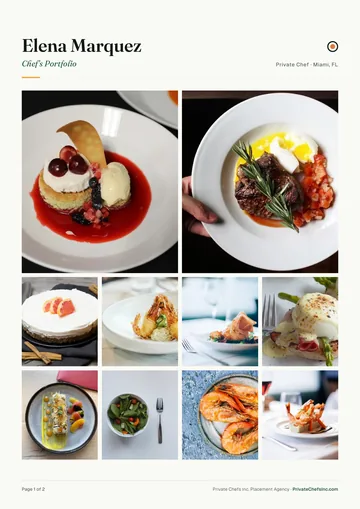
Portfolio, photos and bio
Chef bio examples: 6 samples and a formula you can fill in
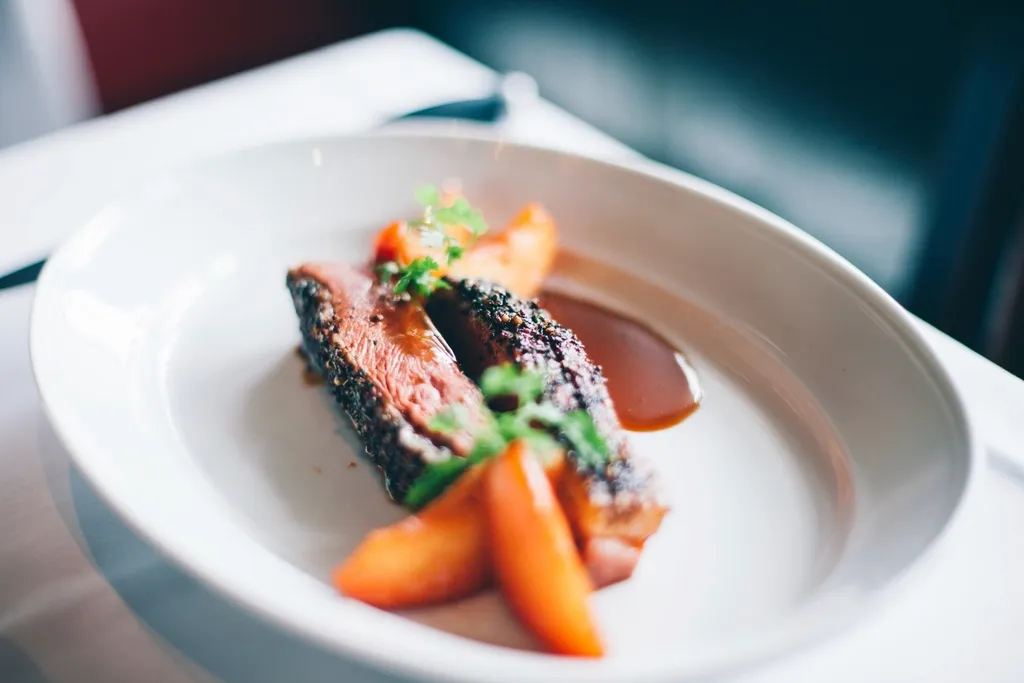
A chef bio is a short professional profile that says who you are, where you trained, what you cook and what proves it. Write it with five parts (who, training, signature, philosophy, proof) and cut it to the length the placement needs: one line, 50 words, 100 words or more.
Below are six chef bio examples for different uses, a plain formula, advice on first versus third person, and the mistakes that make bios forgettable. All chefs are fictional. No time to write from scratch? The free chef bio generator drafts one from a few answers. When your bio is done, drop it into the free chef portfolio builder so it sits next to your dishes.
What a chef bio is for
One bio does not fit everywhere. Know the job before you write.
- Menus and print: one to two lines under the chef’s name, for a tasting menu or event card.
- Restaurant and personal websites: 100 to 200 words, a photo, links to press and booking.
- Events and pop-ups: 50 words, built around the night’s menu and a collaboration.
- Agency and placement profiles: 100 words, practical: service style, dietary range, household experience, references. A private chef placement agency wants to know what you can run in a client’s kitchen.
- Press and speaker packets: 150 words, third person, with achievements.
- Social media: 150 characters, who you cook for, where, and how to book.
Keep a master bio of about 200 words, and cut down from it. Never write each version from scratch.
The five-part chef bio formula
Every good chef bio contains the same five parts. Order them by what the reader cares about most.
- Who: your name, title, cuisine, and city. “Chef Elena Ruiz is a private chef in Miami specializing in Mediterranean family dinners.”
- Training: two or three named kitchens or schools, with years. Names carry weight; adjectives do not.
- Signature: the dish, service or technique you are known for. One specific item beats a list of cuisines.
- Philosophy: one sentence on how you cook, and it must be testable (“I buy from three farms within 60 miles”), not a slogan.
- Proof: a number, award, press mention or client type: “120 dinners a year”, “Michelin-starred kitchen”, “cooked for 40 repeat families”.
Short bios keep parts 1, 3 and 5. Long bios keep all five. Your chef resume holds the full career history; the bio is the story drawn from it.
Six chef bio examples by length and use
Each example below is a fictional chef. Use the structure, not the wording. Examples appear in the boxes below this text.
1. One-line bio (menus, name tags)
Use it when space is tight: name, role, one credential. Keep it under 20 words.
2. 50-word bio (events, pop-ups)
Name, training, the evening’s menu angle and one proof point.
3. 100-word private chef bio (household and agency profiles)
Lead with service style: weekly meal prep, dinner parties, dietary range, discretion. Mention household types you cook for without naming clients.
4. Restaurant website bio
Add philosophy and local sourcing. Include a photo and a link to the menu.
5. Event or pop-up bio
Write it around the collaboration and what guests eat that night.
6. Instagram bio
Under 150 characters: what you cook, where, and the booking link. For deeper visual work, build a PDF in the portfolio builder and link it.
First person or third person
Use third person for menus, press, agency profiles, event pages and any place where someone else introduces you. It reads as credible and lets you list achievements without sounding boastful.
Use first person for personal websites, Instagram, About pages and newsletters. It is warmer and fits chefs who sell themselves directly, like private chefs and caterers. Pick one and hold it through the whole page. Mixing “Chef Ruiz trained in Lyon” and “I love local produce” in the same paragraph confuses the reader.
Always write the third-person version first, then convert. It forces you to state facts before feelings.
Chef bio mistakes to cut
- “Passionate about food”. Every chef is. Name the dish instead.
- Career-long lists. Name your best 3 kitchens, not 11.
- Vague cuisine claims. “Modern global cuisine” says nothing. “Coastal Italian and Catalan” does.
- No numbers. Covers, dinners per year, years in service, pounds of local produce.
- Name-dropping without relevance. A famous chef you once assisted for one week is not a credential.
- Dated facts. Review the bio each quarter; update awards, venue and availability.
- Long, unbroken paragraphs. Web bios should have 2 to 4 short paragraphs at most.
Pair the final bio with real dish photos, as the guide to culinary portfolio examples explains.
Chef bio examples you can adapt
Chef Elena Ruiz, private chef, Miami: coastal Mediterranean cooking, 15 years in family kitchens.
Chef Daniel Okafor trained at Lenox Hill Bistro in New York and Maison Verde in Lyon. For this one-night pop-up he cooks a five-course West African and French menu built around grilled suya-spiced lamb. He has run 200 plated dinners of 12 to 40 guests.
Chef Elena Ruiz is a private chef serving families in Miami and Palm Beach. She trained at Escuela Hofmann in Barcelona and spent six years in hotel and yacht kitchens before moving to residential service in 2016. Elena plans weekly menus, cooks four to five dinners a week for households of two to six, and handles dinner parties of up to 20. She cooks gluten-free, dairy-free and pediatric menus and keeps allergen logs. Her signature dish is saffron cod with fennel and blood orange. She holds ServSafe Manager and carries liability insurance. References are available on request.
I grew up in my grandmother’s kitchen in Charleston and trained under Chef Mark Ellison at Wren & Rye. I opened Marrow in 2021 with 38 seats and a rule: we buy from farms within 60 miles. Our menu changes weekly, and the pork comes from a family farm in Edisto. Come hungry, ask for the bone marrow toast, and tell us about allergies when you book.
Pastry chef Mia Tran joins Chef Daniel Okafor on October 18 for a dessert pairing menu. Trained at Le Cordon Bleu Paris and the pastry team at Larkspur, Mia has produced 400 plated desserts for sold-out wine dinners. Her yuzu tart with black sesame is the finale of the night.
Private chef | Miami + Palm Beach | Weekly meals, dinner parties, allergen-safe menus | Book: link below
Chef bio examples FAQ
How do you write a chef bio?
Use five parts: who you are (title, cuisine, city), training (two or three named kitchens or schools), signature dish or service, a testable philosophy, and one proof point such as 120 dinners a year. Write third person first, then adapt. Cut to the placement: a menu needs one line, a website needs 100 to 200 words.
How long should a chef bio be?
Match the use. Menu cards take one line (under 20 words). Events and pop-ups work at 50 words. Private chef and agency profiles run about 100 words. Restaurant website bios run 100 to 200 words. Instagram bios fit within 150 characters. Keep a 200-word master bio and trim from it.
Should a chef bio be in first or third person?
Third person suits menus, press, agency profiles and event pages because it reads as credible. First person suits personal websites, Instagram and About pages because it is warmer. Choose one per page and do not mix. Writing the third-person version first keeps it fact-led.
What should a private chef bio include?
Include service style (weekly meal prep, dinner parties), household types, dietary range such as gluten-free or pediatric, training, years in residential service, certifications like ServSafe, insurance, and references on request. Avoid naming clients. Agencies and families want to know what you can safely run in their kitchen.
What should I avoid in a chef bio?
Avoid empty phrases like passionate about food, long lists of every kitchen you worked in, vague cuisine labels, name-dropping without relevance, and out-of-date facts. Add numbers instead: covers, dinners per year, farms within 60 miles. Keep paragraphs short and review the bio every quarter.
Where do I use my chef bio?
Use it on your website About page, on restaurant and event menus, in agency and placement profiles, in press kits, on Instagram and LinkedIn, and at the top of your portfolio PDF. Keep one master version and trim for each. Update all copies at once whenever your role or venue changes.
Keep reading
More guides for chefs.
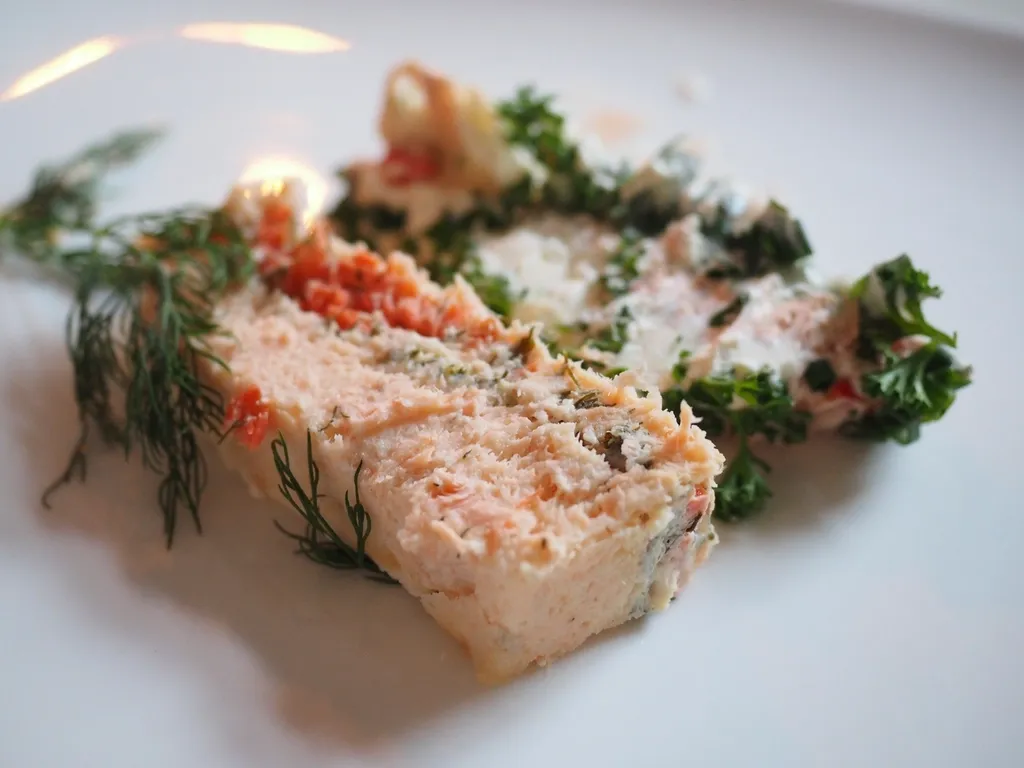 Portfolio, photos and bioCulinary portfolio examples: 5 structures, photo rules and what to leave out
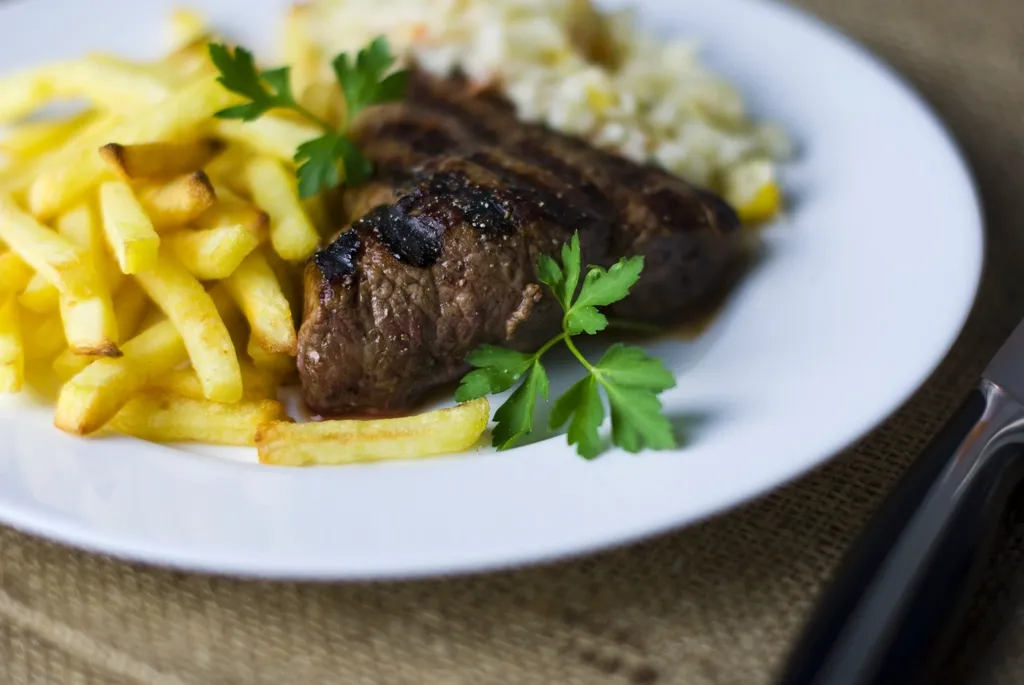 Portfolio, photos and bioFood Photography Tips for Chefs: How to Photograph Food With a Phone
 RésumésChef resume: examples, template and skills that get interviews
 RésumésExecutive chef resume: example, summary formulas and bullet bank