Getting hired
Chef Skills: What You Need and How to Prove It
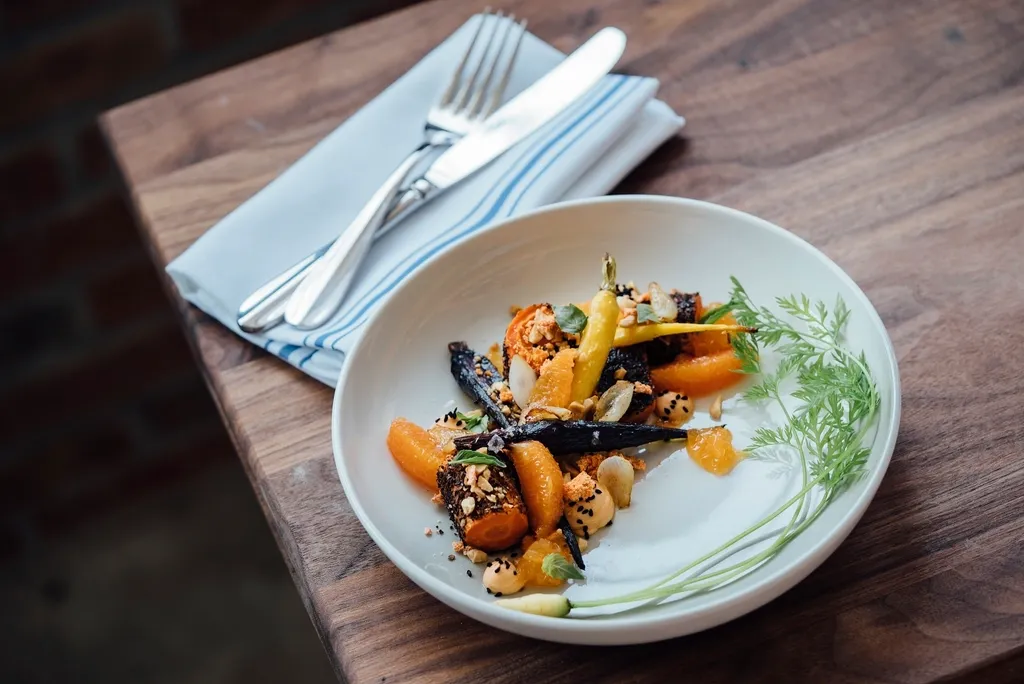
The skills needed to be a chef are technical cooking skills, kitchen operations skills, and leadership skills, and the mix changes as you move from line cook to executive chef. A line cook is hired for speed and consistency; a sous chef for ordering and people; an executive chef for menus, margins, and a team that stays.
Below is a practical culinary skills list grouped the way a hiring chef thinks about it, a table of skills by role, and a plan for showing those skills on a resume and in a portfolio. If you are still choosing a path, start with how to become a chef.
Core technical skills every chef needs
These are the culinary skills you are tested on in your first week, whether in a trial shift or a stage.
Knife skills
Speed and uniformity. Brunoise, julienne, dice, chiffonade, and clean breakdown of onions, herbs, and vegetables. A cook who needs 20 minutes to dice a case of onions slows the whole line. Practice the cuts until size is consistent without thinking.
Heat and cooking methods
Sear, sauté, roast, braise, poach, steam, grill, fry. The skill is not knowing the names but controlling heat: when to leave the pan alone, how to rest meat, how to read doneness by touch. Temperature control is also where food safety and quality meet.
Stocks, sauces and seasoning
The five French mother sauces remain the vocabulary of professional kitchens, along with vinaigrettes, pan sauces, and emulsions. Seasoning in layers, tasting constantly, and fixing a flat or broken sauce are daily skills.
Butchery and fabrication
Breaking down whole chickens, portioning fish, trimming beef and pork, and using trim for stocks and staff meals. Whole-animal skills lower food cost and give you more menu options, and they separate cooks who can work in scratch kitchens from those who cannot.
Baking and pastry basics
You do not need to be a pastry chef, but you do need doughs, quick breads, basic custards, and weights-based scaling. Baking trains precision, which transfers to everything else.
Plating and presentation
Balanced color, height, negative space, and clean rims. Plating is a repeatable system: the fiftieth plate of the night should match the first. If you want to document your plates well, see our guide to food photography tips for chefs.
Kitchen operations skills
Operational skills decide whether a kitchen makes money. They matter most from sous chef upward, but line cooks who understand them get promoted sooner.
- Mise en place and prep planning. Reading par levels, writing prep lists, sequencing tasks so everything is ready before service.
- Food cost and menu costing. Calculating plate cost, yield, and waste, and adjusting portions or prices to hit a target food cost percentage.
- Ordering and inventory. Counting stock, placing orders against par, comparing vendors, receiving and checking deliveries.
- Food safety and HACCP. Temperature logs, cooling procedures, labeling, allergen control, cross-contamination prevention. A ServSafe Food Protection Manager certificate is the common credential.
- Scheduling and labor cost. Building a schedule that covers peak hours without overspending on labor.
- Equipment and sanitation. Knowing how to break down, clean, and troubleshoot the line, from the walk-in to the hood.
- Menu development. Building dishes that cook fast, hold well, and use shared ingredients across the menu.
Leadership and soft skills
Cooks are promoted for cooking; chefs are paid for people management. These skills are learned on the job, but you can start showing them early.
- Communication under pressure. Clear, short, calm calls on the line (“hands”, “behind”, “fire table 12”), and a debrief after service.
- Training and delegation. Teaching a new cook a station so it sticks, and trusting the line to run without you hovering.
- Time management. Prioritizing what must be done now, what can wait, and what can be dropped on a bad night.
- Consistency and standards. Holding a recipe, a plate spec, and a cleanliness bar every day, not only on good days.
- Composure. Staying level when the printer is flooded and a cook walks out. Teams copy the chef’s temperature.
- Teamwork across the house. Working well with servers, dish, and management. A kitchen that hates the dining room fails.
- Adaptability and curiosity. Learning new cuisines, handling substitutions, and asking questions without ego.
Skills by role: what each level is hired for
The same skill carries different weight at each step. Use this table to decide what to practice next.
| Role | Priority technical skills | Operations skills | People skills |
|---|---|---|---|
| Line cook | Knife speed, station execution, heat control, plating consistency | Prep lists, labeling, cleaning, par levels for your station | Communication on the line, taking direction, reliability |
| Sous chef | Every station, quality control, fixing problems fast | Ordering, scheduling, inventory, food safety logs | Training, running service, handling conflict |
| Chef de cuisine | Menu execution, recipe development, seasonal changes | Food and labor cost, vendor relationships, health inspections | Hiring, retention, owner and GM communication |
| Executive chef | Concept and menu vision, standards across outlets | Budgets, P&L, purchasing contracts, compliance | Leadership of chefs, brand and guest relationships |
| Private / personal chef | Dietary cooking, batch cooking, adaptable menus | Client shopping, cost tracking, safe transport and storage | Discretion, reliability, client communication |
If you are targeting a private role, how to become a personal chef covers the business side that restaurants never teach.
How to show chef skills on a resume
Searching “chef skills for resume” usually produces lists of words. A list alone does not help you. Hiring chefs scan for evidence, so pair each skill with a result.
- Build a skills section of 6 to 10 items, grouped: Techniques (butchery, sauces, baking), Operations (food cost, ordering, HACCP), and Leadership (training, scheduling). Match the words in the job posting.
- Turn skills into bullets with numbers. “Reduced food cost from 34% to 29% by re-costing 40 menu items and tightening portions” is a skill. “Food cost management” is a label.
- Name the volume. Covers per night, team size, number of stations, weekly order value.
- Add certifications with dates. ServSafe, allergen training, any ACF credentials.
- Put the strongest skills first. Place them in your summary and top bullets, not at the bottom.
For examples, see our full chef resume guide, and build your own layout with the free chef resume builder. The same rules apply to “culinary skills for resume”: specific techniques, systems, and measurable results beat adjectives.
How to prove your skills: portfolio and stage
A resume claims skills. Two things prove them.
A portfolio
A short visual record of your food: plated dishes, a menu you wrote, a station setup, a before-and-after of a costing project. Aim for 8 to 15 images with one-line captions naming the technique. The free chef portfolio builder assembles them into a PDF that you can attach to applications. For ideas on what to include, look at culinary portfolio examples.
A stage
A stage (pronounced stahj) is an unpaid or lightly paid trial in a kitchen to show how you cook and work. Chefs trust what they see on a Saturday service more than what they read on paper. Our guide to the chef stage explains how to arrange and survive one.
Do both. A resume gets you the interview, a portfolio gives the chef something to look at, and a stage closes the offer.
A 30-day plan to sharpen weak skills
- Week 1: knife and prep. Twenty minutes a day on cuts. Time yourself dicing two pounds of onions and try to beat that time each day.
- Week 2: sauces and seasoning. Make one mother sauce and one pan sauce each day. Taste every step and write down what you changed.
- Week 3: operations. Cost five dishes on your current menu with yield and waste. Write your own prep list for a Friday.
- Week 4: proof. Photograph your five best plates, update your resume with the numbers from week 3, and ask a chef to let you stage.
Keep the notes. They become resume bullets and portfolio captions.
Chef skills FAQ
What skills do you need to be a chef?
You need technical skills (knife work, heat control, sauces, butchery, baking basics), operations skills (food cost, ordering, scheduling, HACCP), and leadership skills (communication, training, composure). Early in your career technical speed and consistency matter most; as you move up, operations and people skills take over.
What are the most important culinary skills?
Knife skills, heat control, seasoning, and consistency come first. A cook who can dice quickly, cook protein to temperature, season properly, and plate the same way every time is hired and promoted. Sauces, butchery, and baking basics widen your options in better kitchens.
What chef skills should I put on a resume?
Pick 6 to 10 skills that match the job posting, grouped into techniques, operations, and leadership. Then prove them in your bullets with numbers: covers per night, food cost percentages, team size, and certifications such as ServSafe. A bare list of adjectives does not persuade a hiring chef.
How do I improve my culinary skills quickly?
Work under a good chef at a busy scratch kitchen, ask for new stations, and practice knife cuts daily. Stage in other kitchens, cook from technique rather than recipes, and review your mistakes after each service. Written notes on what you changed help you retain it.
What skills does a sous chef need?
A sous chef needs mastery of every station, quality control, ordering, inventory, scheduling, and food safety logs, plus the ability to train and lead a line during service. The jump from line cook is mostly operations and people skills, not cooking skills.
Are soft skills important for chefs?
Yes. Communication under pressure, training, time management, and composure decide whether a kitchen runs smoothly. Teams copy the chef’s temperament, so staying calm on a bad night is a skill that gets chefs promoted and retained.
How can I prove my chef skills to an employer?
Use a resume with numbers, a short portfolio of your best plates with technique captions, and a stage in the kitchen you want to join. Together they show what you can do, how you cook, and how you work under real service conditions.
Keep reading
More guides for chefs.

Put it on paper
in three minutes.
Free, in your browser. No account, no watermark.
Build my resume free